
"Acti Labores Jucundi."Marcus Tullius Cicero


"Acti Labores Jucundi."Marcus Tullius Cicero

My teaching career began in the University of Notre Dame's interdisciplinary Collegiate Seminar Program, The Freshman Seminar, and The Program on Non-Violence (1970-74). At Binghamton University (1974-86), as Assistant and tenured Associate Professor, I taught interdisciplinary courses in Women's Studies, and both graduate and undergraduate courses in the English Department. From 1986-2001, I held the inaugural Louise Rosenfield Noun endowed Chair at Grinnell College, founding The Noun Program in Women's Studies and directing its various initiatives. As Caroline Werner Gannett Professor of Humanities at RIT (2006-2012), I founded and chaired the interdisciplinary Caroline Werner Gannett Project, creating "Visionaries in Motion," an award-winning series of speakers, events and courses that fostered explorations of sciences, social sciences, and technology with the humanities.
In addition to published poetry, essays on modernist poets, playwrights, fiction writers and multimedia artist Charles Henri Ford, my books include: Protean Poetic: The Poetry of Sylvia Plath (U. Missouri, 1980); co-edited Women's Writing in Exile (U. North Carolina, 1989); edited Silence and Power: A Reevaluation of Djuna Barnes (Southern Illinois U. Press, 1991); and my selection of letters from two American expatriates, Black Walking: Selected Letters of Djuna Barnes to Emily Holmes Coleman, 1934-38, published by Wagenbach (Im Dunkeln Gehn, Berlin, 2002) and by Archinto (Camminare nel Buio, Milan, 2004). Current books-in-progress include the creative non-fiction, Sweeping up the Heart.
I have held grants from the National Endowment for the Humanities, American Council of Learned Societies, Getty Foundation, Ford Foundation (co-participant). In 1982, I was selected for a residency at the Rockefeller Center's Villa Serbelloni, Bellagio, Italy.


Co-directed with COS faculty, Dr. Gary Skuse
Students interview "visionary" speakers over lunch, reading works, viewing videos by Gannett speakers, attending pre-interview guidance sessions. Students conduct lunch discussions and attend evening talks. Discussions are videotaped and posted to the Gannett website www.cwgp.org.
COS and COLA, Spring, 2007 · Part of the Caroline Werner Gannett Project
A cross-disciplinary look at what evidence is, and how it needs to be properly collected, sifted, evaluated and preserved. What constitutes "evidence" in legal, criminal, historical, scientific, journalistic, medical, geographic, art and aesthetic realms? What methods and standards are employed for gathering and evaluating evidence in different disciplines? What are definitions and varying boundaries of such evidence? What is its relevance? Has the construction of evidence changed historically? How is evidence preserved and passed on?
Such questions inform presentations by over a dozen experts from RIT faculty and area. Readings and electronic/visual materials accompany each presentation. Students are invited to work with comparative presentations, experiential projects of their choice, and are encouraged to develop skills in critical evaluation. Included in the course are outside speakers, films and roundtable discussions that highlight issues central to course content.
Co-taught with Kristen Waterstram-Rich, 2006-2007
Direction of students in readings and videotaped interviews with speakers in the Caroline Werner Gannett Lecture Series, 2006-2007 (for lectures and student interviews see www.rit.edu/~cwg/).
According to poet James Merrill, we live in the age of "me-moir," at least in American culture. But what happens to the quarrel between truth and fiction, to the forms of language, community and self-representation, as we move outside of England and America? Course explores the range of contemporary autobiographical practice in a rich spectrum of life-writings. Works included range from formal autobiography and memoir, to selections from diaries, journals and other writings, as well as visual portraits in art, photography and film. Through diverse cultural representations of "life-writing," we trace new modes of constructing identity, as we redefine the boundaries of race and ethnicity, family, nation, class and gender.
Space speaks! Diverse writers, critics and filmmakers represented in this course are rethinking space as a dynamic context for the making of history and for new organizations of social and communal life. Course opens with a meditation on the language of maps and mapmaking, both antique and digital, exploring the idea that to present a useful and truthful picture, an accurate map must tell lies. Among the initial questions are: how do certain interests—absences as well as presences—come to be embodied in mapmaking? How do films and literary texts—poems, novels, memoirs—imaginatively construct space? In what ways, particularly in texts, do mapmaking and power mutually reinforce various kinds of social authority, yet deny others? How can we begin to rethink race, class, gender and sexuality in terms of the "natural authority" asserted in space? Focusing such questions, the course offers an opportunity for a solo or collaborative project on digital or antique mapping, technical work on some aspect of Geographical Information Systems, plus a final project on "Reading RIT or Rochester as Text."
The course takes as its premise the critical importance of spatial thinking, particularly in science, engineering, mathematics and technology—the STEM disciplines. A major focus is the ability to become spatially literate in many areas of 21st century culture.
Course is designed to explore the origin and rise of printing and "the novel" and to familiarize students with a selection of world literatures that have been banned and burned on religious, social and political grounds. We begin with a selection of richly illustrated overview lectures on the history of the novel and the rise of printing/illustration, offering a context for the extensive and varied censorship history of creative works in the past four centuries: from "prior restraint" issues in Milton's Aeropagitica ("The Second Defense of the People of England") and Galileo's Dialogue Concerning the Two Chief World Systems (1632), through Joyce's Ulysses, Henry Miller's Tropic of Cancer and Salman Rushdie's various attempts to clarify the meaning and intent of Satanic Verses.
Texts for the course include: Lady Chatterley's Lover, D. H. Lawrence; Sozaboy, Ken Saro-Wiwa; The Master and Margarita, Mikhail Bulgakov; Satanic Verses, Salman Rushdie; and An Obedient Father, Akhil Sharma. The course also provides the opportunity to view selected artistic and cultural materials from exhibits, museums and art collections that have prompted various kinds of censorship in the twentieth century, including works by Paul Cadmus, Robert Mapplethorpe and others.
Poet, be seated at the piano. Play the present in its hoo-hoo-hoo Its shoo-shoo-shoo, its ric-a-nic Its envious cachinnation. If they throw stones upon the roof While you practice arpeggios, It is because they carry down the stairs A body in rags. Be seated at the piano. ("Mozart, 1935" by Wallace Stevens)
Course explores a wide range of poetry, from formal verse to online poetry, Gerard Manley Hopkins and Thomas Hardy to contemporary performance and hip-hop poets. We begin with essays by Robert Pinsky and Dana Gioia, as well as "toolbox talks" on various elements of poetry. Groups such as Harlem Renaissance poets, the 'confessionals,' contemporary women poets, environmental poets and a brief selection of international poets are included in the readings. Among the course objectives are these: to examine closely a range of poetry not only for the "world within the word," but also for the social and historical contexts that motivate the poems; to learn new interpretive strategies, challenging ways of reading poetry that bring pleasure and emotional satisfaction, as well as political awareness and social responsibility; to encourage a range of responses to poetry — small group exchanges, short essays, longer research papers, creative responses and performance pieces; and to move poetry outside the classroom, increasing awareness that "poetry is everywhere."
Students have available a number of audiocassettes ("Language of Life" series) poetry videos (PBS "Voices and Visions," or "Power of the Word"), poetry websites and online materials. Additionally, there is opportunity to attend and participate in a number of poetry events, within the wider community.
.jpeg)
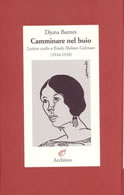
Djuna Barnes a Emily Coleman: una finestra sugli anni trenta, fra New York, Londra e Parigi; lettere da un rapporto spesso conflittuale fra due donne geniali e complesse, che si sono date reciproca licenza di scandagiliarsi nell'intimo. In totale liberta la Barnes parla degli ambienti che frequenta, di letteratura, di piccole cose quotidiane, di denaro, di rapporti con la famiglia e con amici comuni. E di complicati, impossibili amori, perche sia lei sia la Coleman sono per segreti motivi portate a coinvolgersi, entrambe intense e impetuose, con amanti tiepidi e riluttanti. Le lettere scelte coprono il periodo 1934-38, anni cruciali nei quali, mentre l'Europa veniva spinta (sull'orlo del cambiamento) l'autrice completa la sua opera piu famosa, Nightwood. Djuna Barnes, apprezzata da Eliot, Pound, Dylan Thomas, O'Neill, Montale e Joyce – al quale e per certi versi accostata – resta sorprendentemente, per il grande pubblico, (la piu famosa sconosciuta del secolo).
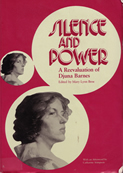
". . .the most important volume to date on Djuna Barnes . . .the collection has remarkable special features such as a section of personal reminiscences and clusters of brief quotations from previously unpublished letters and scattered memoirs. It includes abundant, well-selected photographs and prints of Barnes's sketches and paintings, which clarify the essays; it also presents her troubled family history, which included her father's bigamy and her probably rape and incest. . ."Bonnie Kime Scott, Signs, Winter, 1993
"This most important volume to date on Barnes's work is more than a collection of criticism, for it captures the eclectic character of the woman herself. . .there is no question that Barnes, to use the words of Broe, 'destabilized the margins of establishment discourses and disciplines in modernist writing'. . ."Noel Riley Fitch, Contemporary Literature XXXIII
"Now that cultural blinders have been lifted on childhood incest and trauma, we can read in Barnes' writing the story of pain, protest and tragedy that was there before us all along. Barnes's elaborate and densely allusive writing creates art as a form of defense against, or therapeutic transcendence of, a body and self defiled and betrayed by trusted more powerful others. To the credit of the editor, Mary Lynn Broe, and other contributors, many of the essays in Silence and Power underscore the tension between life and art by exploring Barnes's charged representations of the sexualized and degraded body and the harrowing implications of family and relational politics"from The Women's Review of Books, Vol. IX, no.2, November 1991
"Because of the essays this Afterword follows, we will be able to read Barnes, her pages and person, far more closely, explosively, and reliably than before. These essays, lightning bolts and laser beams of critical intelligence, will cauterize and change our perceptions of Barnes and cultural modernism. . ."from the Afterword, Catharine Stimpson
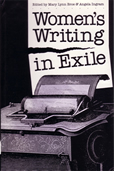
"Rooted in evocations of struggle, this work proposes 'exile' as a political reality and a political metaphor, 'expatrations' both inner and outer. A striking, salutary collection for feminist scholarship in its historical and cultural reconsideration of modernism."Rachel Blau DuPlessis, Temple University
"Critical readers of today's feminist texts cannot afford to be exiled from Mary Lynn Broe and Angela Ingram's provocative and challenging collection of essays. . . Broe continues to investigate the cultural rim in "My Art Belongs to Daddy," an essay examining books with incest content as a major form of exile literature. In her opening collage of excerpts from Djuna Barnes, Emily Coleman, and Antonia White, Broe offers a "radical interruption of the sexual/textual order,". . ."Mary Anne Scofield, Belles Lettres
These essays explore the varieties of exile women writers in Western culture have experienced over the last hundred years. Exile in this work suggests both "in exile" geographically and "exiled" (by other people's criteria), and thus is as much metaphor as it is material circumstance. Using a broad range of methodologies, the contributors examine the physical, sociopolitical, canonical, and psychological kinds of exile that women endure. Among those writers whose narratives of exile are acknowledged here are Djuna Barnes, H.D., Alice Walker, Isak Dinesen, Jean Rhys, Nadine Gordimer, Doris Lessing, Sylvia Townsend Warner, and Virgina Woolf. The editors have woven the sixteen essays together with three extraordinary personal commentaries by well-known feminist scholars—Annette Kolodny, Esther Fuchs, and Gayatri Chakravorty Spivak in converation with Sineja Gunew. Each of these women has had powerful experiences of exile—Kolodny as a feminist academic, Fuchs as the Israeli daughter of Holocaust survivors, Chakravorty Spivak as an "other" in the homogenizing West. This volume includes Mary Lynn Broe's pathbreaking essay, "My Art Belongs to Daddy: The Textual Economics of Hayford Hall."
Contributors include Shari Benstock, Mary Lynn Broe, Susan Stanford Friedman, Susan Hardy Aiken, Judith Kegan Gardiner, Trudier Harris, Annette Kolodny, Sonia Saldivar-Hull, Celeste M. Schenck, Jane Marcus, Esther Fuchs, Angela Ingram, Louise Yelin, Sneja Gunew, and Gayatri Chakravorty Spivak.
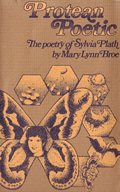
An abbreviated comment from the bookjacket of Mary Lynn Broe's early study of Sylvia Plath:
"Because she has been viewed primarily as a confessional poet, Sylvia Plath has been limited by a reputation based more on her life and death than on her work. Bibliographical problems as well as the public's fascination with Plath's personality have discouraged critical estimation of her poetry. This study of her poetic oeuvre – from early student poems to the posthumous volumes – attempts to demythologize Plath. Broe concentrates on a close and careful examination of the poet's themes and techniques rather than dwelling on the lurid details of her life. She shows that Plath's imaginative, emotional and dramatic range was wider, and her artistic control greater, than critics have generally recognized. She maintains that, even when her subject was urgently personal, Plath never lost control of her material. In the transitional poems in Crossing the Water, Plath mastered the conflicts between imagination and the reality that had shaped her work from the beginning, forging. . . a tonal authority that shaped her best-known late poems. . . this is the first extended critical evaluation that. . . avoids gossip and morbidity. . . It is a serious poetic reading of a serious poet with a finely controlled sense of humor."
". . .Broe carefully traces the growth of Plath's poetic from the early poetry and prose to the posthumous works, examining as much of the canon as is now available. Broe shows how Plath's increasing artistic control of her subject produces her ultimate poetic achievement: the mature treatment of dialectic; the ability to reinterpret history, myth, stereotype and received imagery. . .and the extraordinary range of emotion and response. The book is also significant as the first comprehensive study of voice and tone in Plath's poetry"Library Journal, Vol. 106, #3; Feb. 1, 1981
". . .Broe provides us with a good deal of valuable analysis of Plath's rise from precocious undergraduate to renowned poet. Broe emphasizes Plath's 'synthesizing spirit' (p.181), tracing her development from the fledgling poet held in 'suspense/on the quicksands of ambivalence'. . .to the more mature artist who learned to employ its challenge to create one of the most innovative emotional ranges of any modern poet (p.180). . . Broe's solidly documented and refreshingly sober analysis should bolster Plath's reputation as a major mid-century American poet. . .Broe's exceptionally lucid style. . .[achieves] an elegance too often absent in such specialized academic studies as this one."American Literature, Vol. 53, No. 3, November, 1981
". . .Mary Lynn Broe wishes to demythologize Plath, to rescue her from those who see her as a confessional poet. Broe shows us how, among other things, Plath turned to a cache of women's myths — to images of pregnancy, stillbirth, abortion, aging — and wryly inverted them. . . Maturing, Plath identifies even less with sheep and more with the lioness. 'Give me back my shape,' she cries out. . . Broe convincingly describes Plath's maturation as a poet. . .precisely as scholarship should, this book renews one's delight in its subject."Joan Joffe Hall, "Laing and Plath: Dismissing One Poet, Demythologizing Another," Feb. 26, 1981
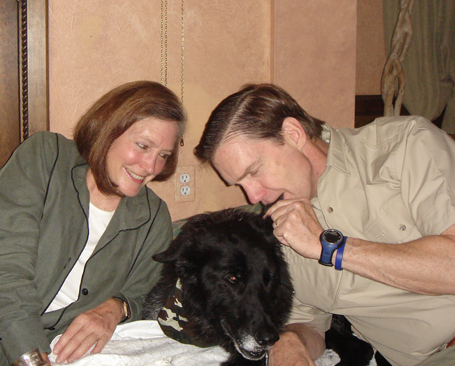
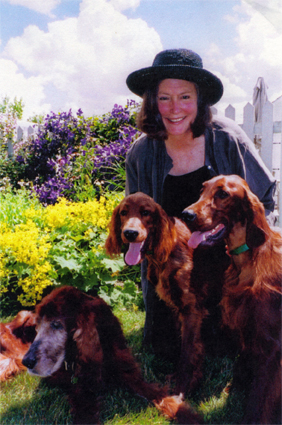
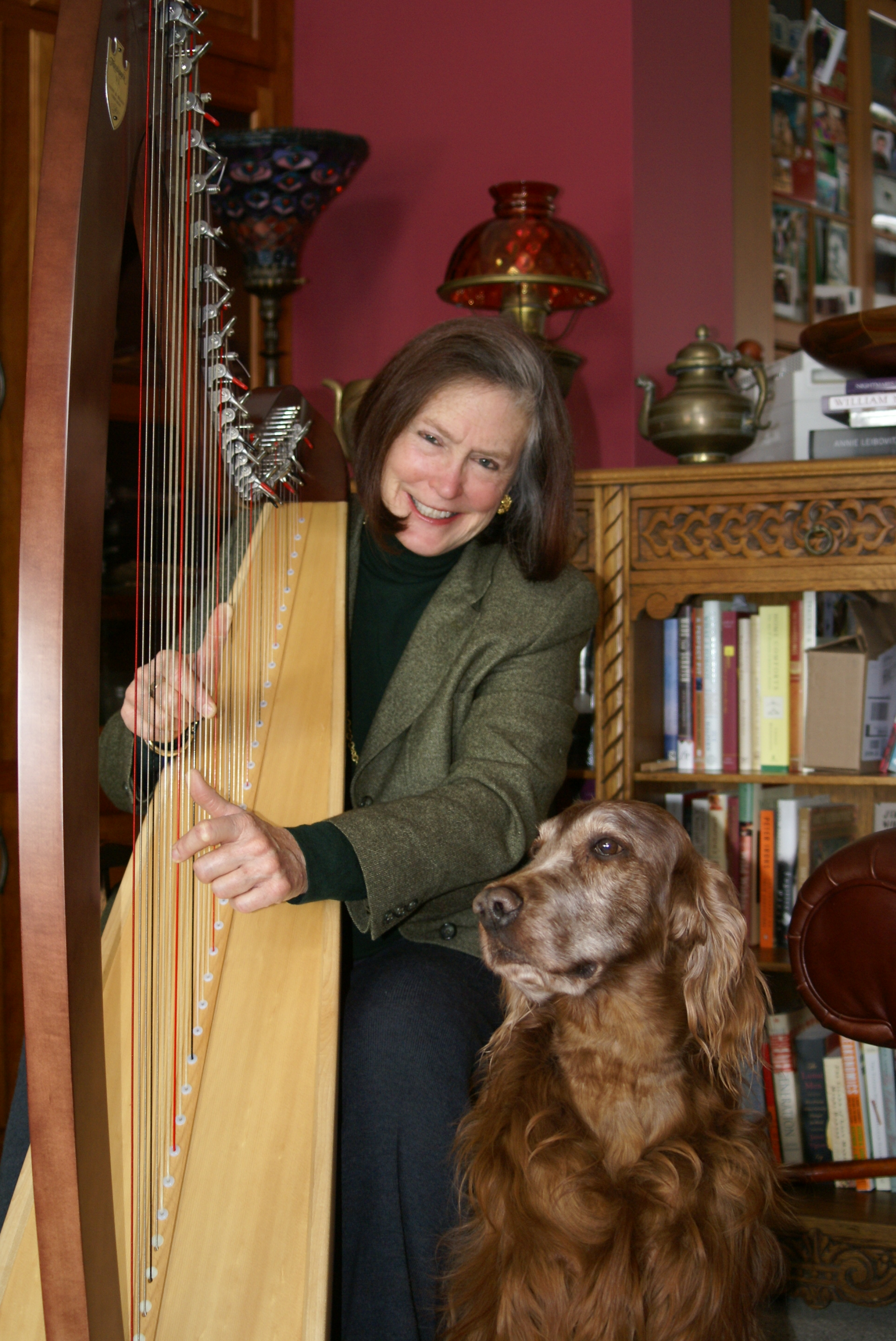
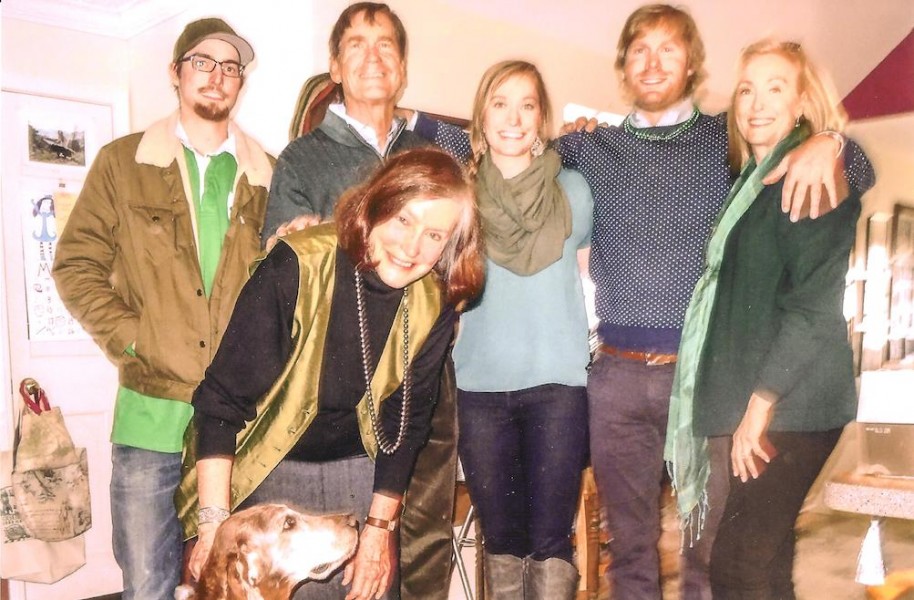
Studio 86: Gannett Project — Visionaries in Motion V, September 2011
Intelligent Conversations Podcast, December 2011
"Rochester Speaks" interview, Warm 101.3, November 2011
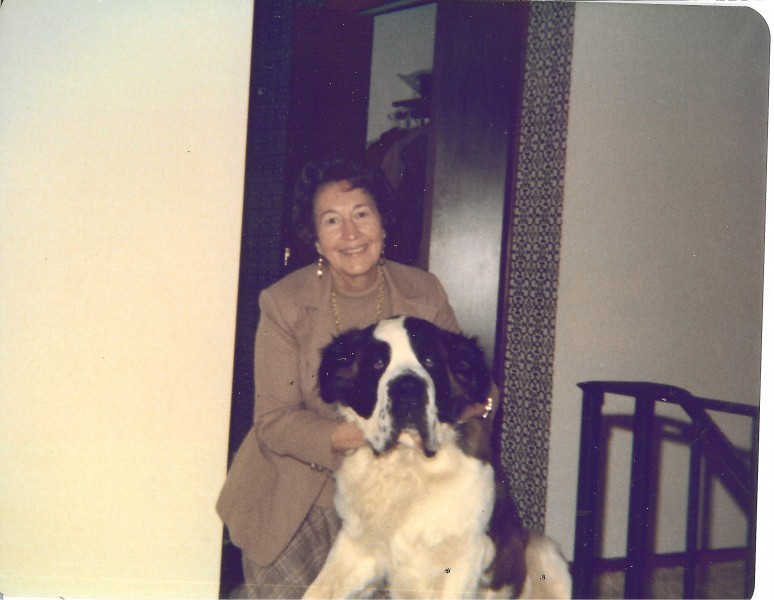
Poetry published in: Janus Head, Nebula (3.1), Le Mot Juste, disClosure, the Remembering Faces edition, Women's Studies: An Interdisciplinary Journal, and in a Spuyten Duyvil edition.


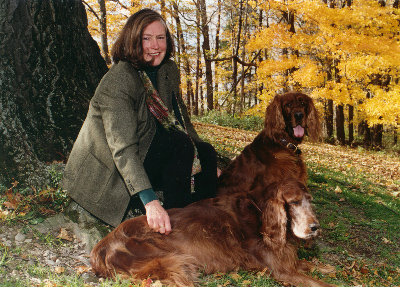

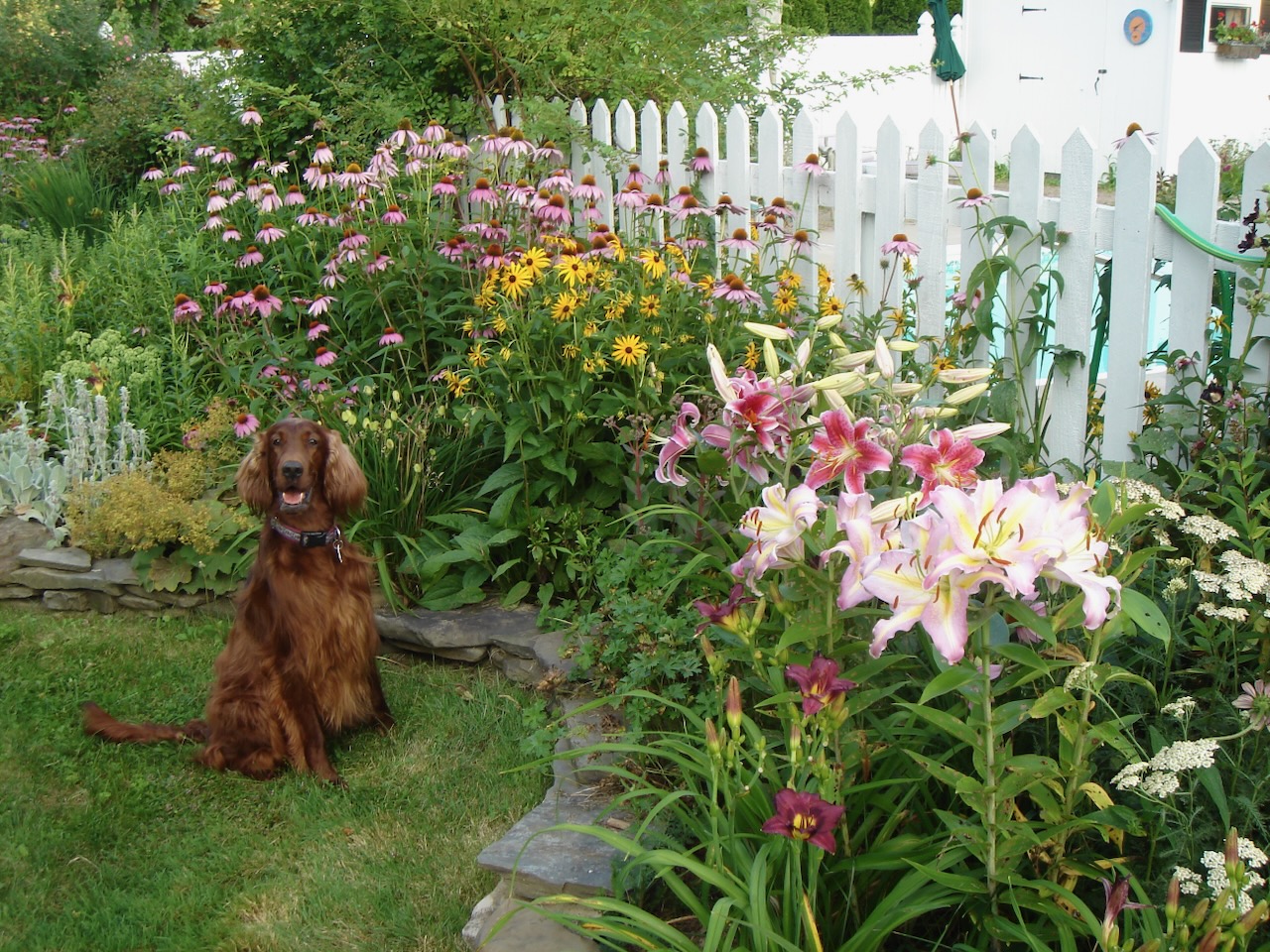
In 1986, after a national search, Mary Lynn Broe was offered the inaugural Louise Rosenfield Noun endowed chair at Grinnell College. Living in her beloved "ec-cen-trithaca" in a hundred-year old prairie house surrounded by lily, rose and various perennial gardens, she was reluctant to move to Iowa from her position as a tenured Associate Professor at Binghamton University. But the charge was enticing: "Come teach us the 'new' scholarship in women's studies" . . . which was, by that time, nearly a decade after the first women's studies degree program was approved at San Diego State University.
A distinct bonus in the Iowa move was proximity to Springfield, Illinois where she had grown up and where her mother, Wilhelmina, had lived since 1950. In 1996 Wilhelmina joined her household in Iowa for the last four years of her life—the adventures of these years shape a section of Broe's multifoliate, richly-textured memoir, Sweeping up the Heart, now in progress.
The challenge of building, and the various activities Broe initiated and directed during her tenure as Louise Rosenfield Noun Professor of Women's Studies and English are represented in the attached pdf file. Creating a college-wide Noun Committee, Broe hosted four national conferences; explored the new feminist scholarship through interdisciplinary reading groups; supported the development of new courses and course modules; and was awarded national and state grants, such as GTE and the Iowa Humanities Board grants to support a program on The Women's Perspective in Science.
Broe and her committee brought to Iowa influential writers, thinkers and theorists as varied as Father Walter Ong, SJ, Gwendolyn Brooks, Jessica Mitford, Gayatri Spivak, Tillie Olsen, Elizabeth Fox-Genovese, Paula Gunn Allen, Angela Carter, Meridel LeSeur, Olga Broumas, Elisabeth Fiorenza, Ntosake Shange and Trinh T. Minh-ha.
Broe remained the Louise Noun Professor at Grinnell College until 2001, when she resigned, taking a year off before accepting the position as department chair of English and Foreign Languages at The Rochester Institute of Technology in fall 2002. In 2006, she was appointed Caroline Werner Gannett Professor of Humanities at RIT where she founded and directed The Gannett Project featuring the "Visionaries in Motion" series.


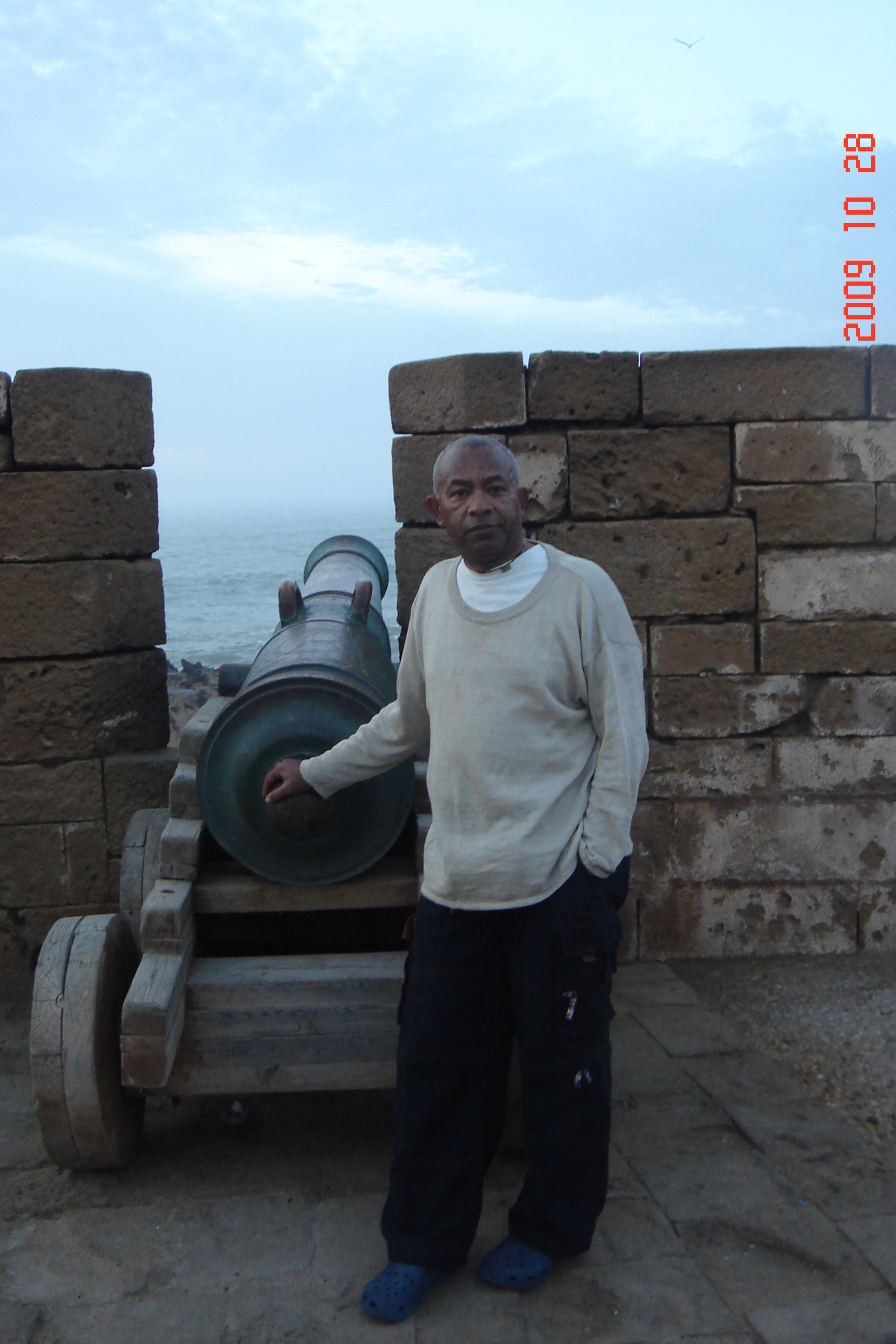
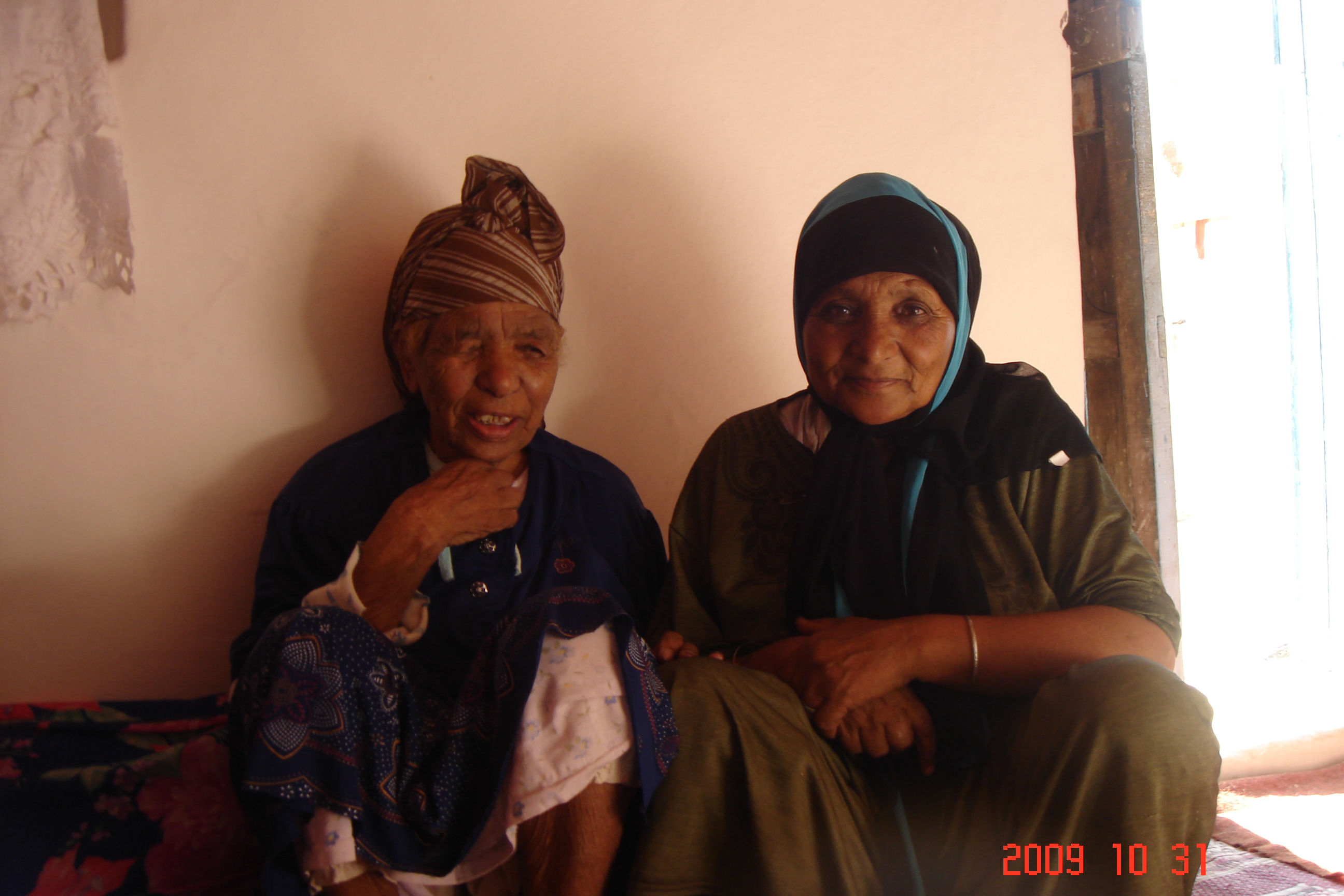
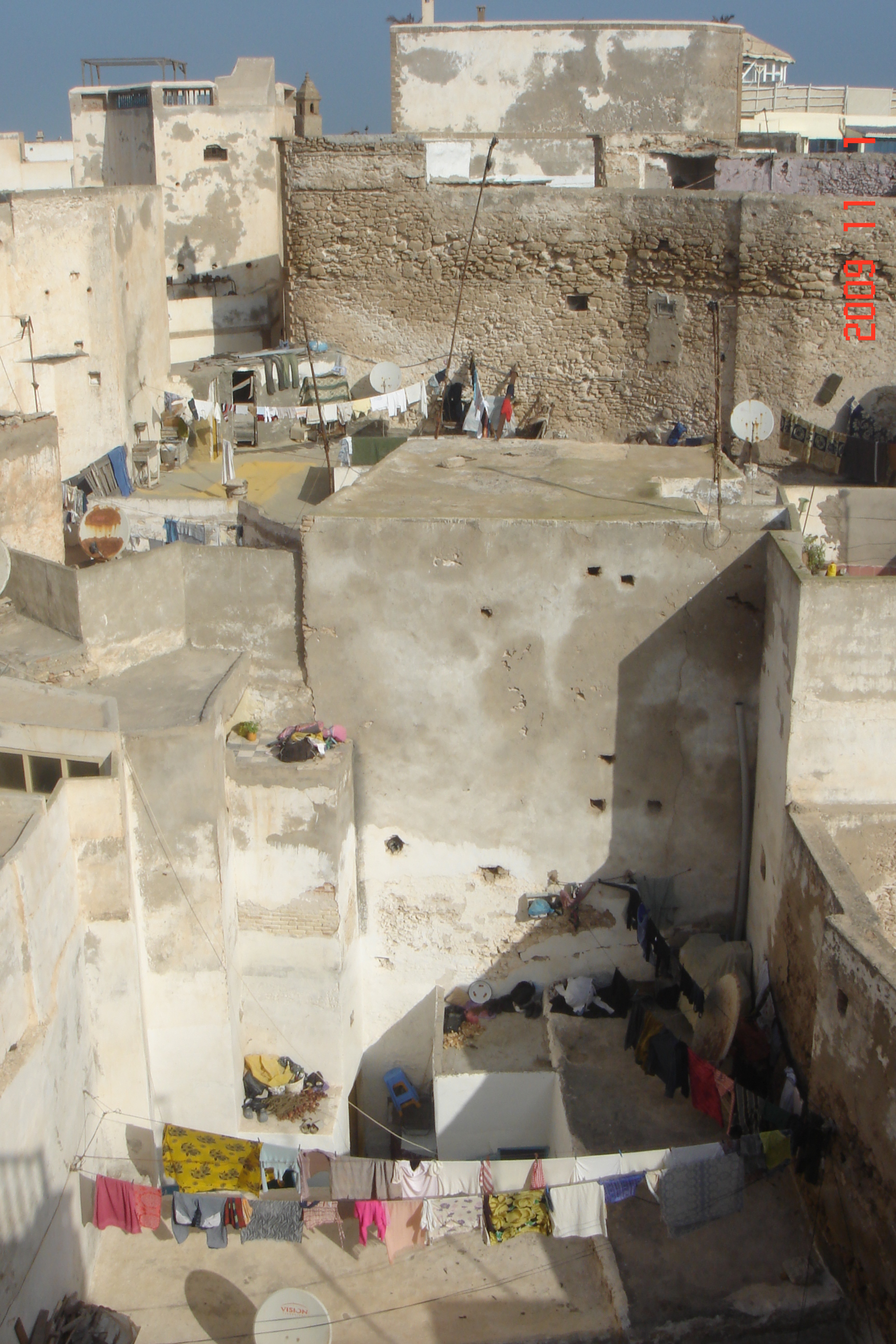
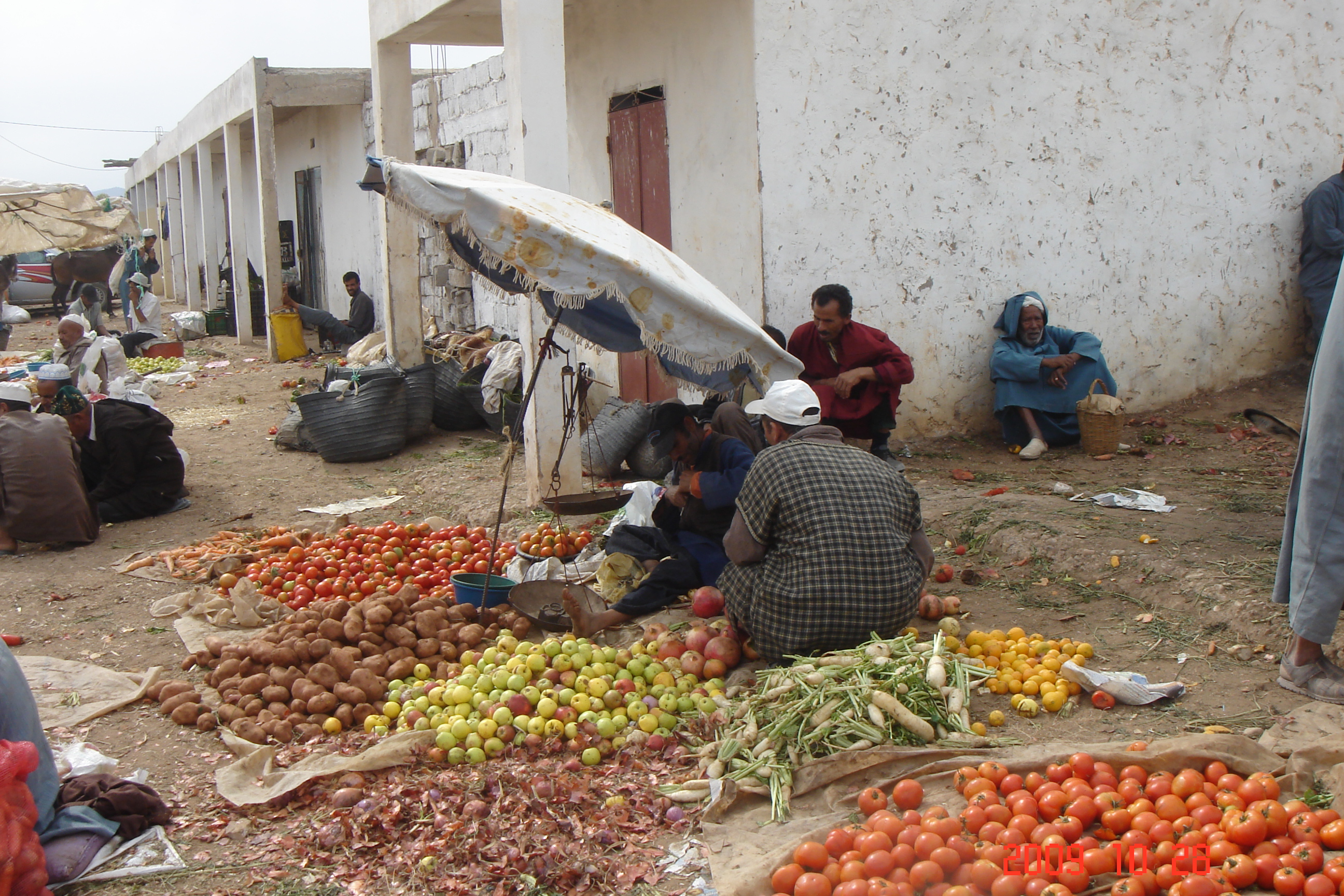
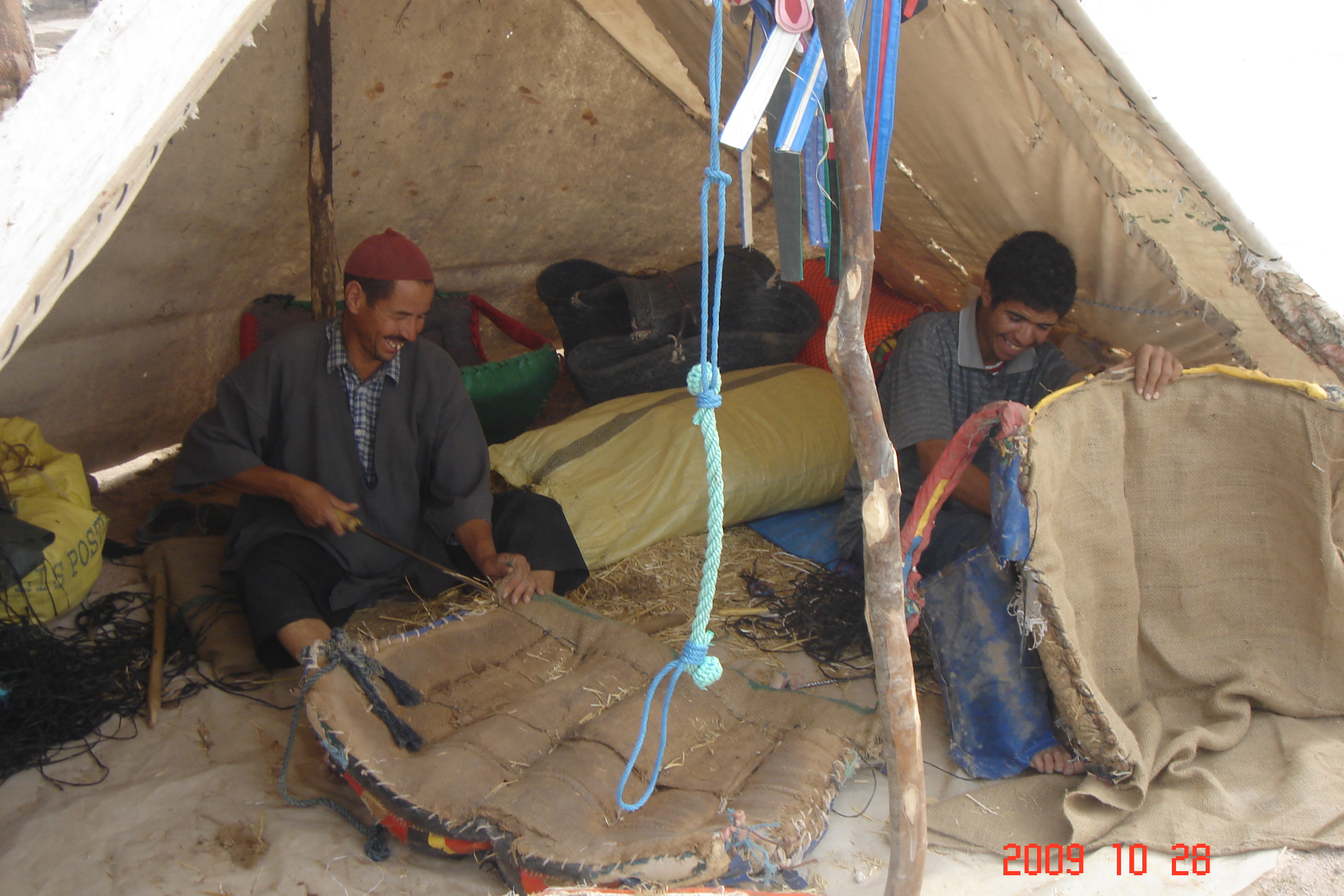
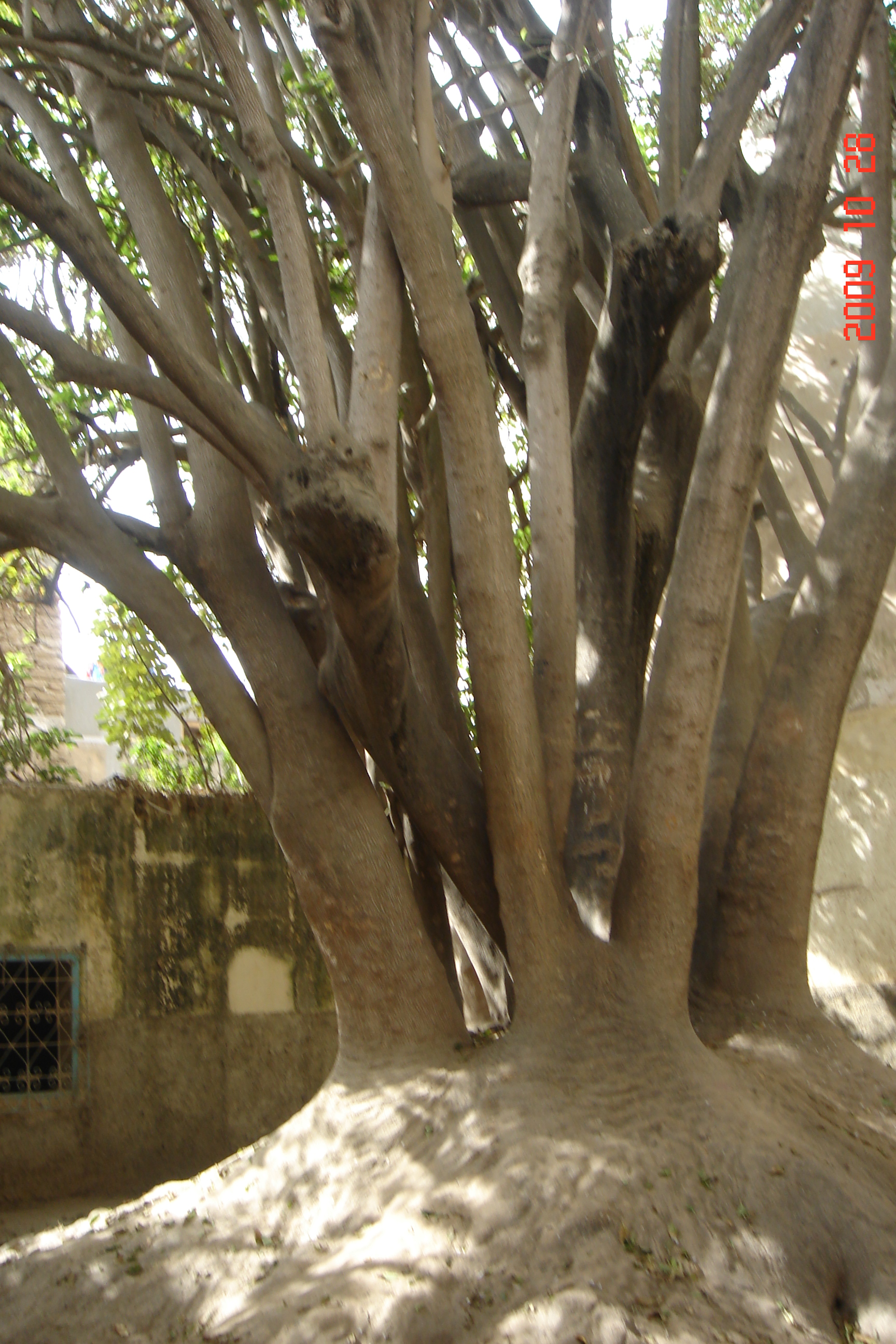
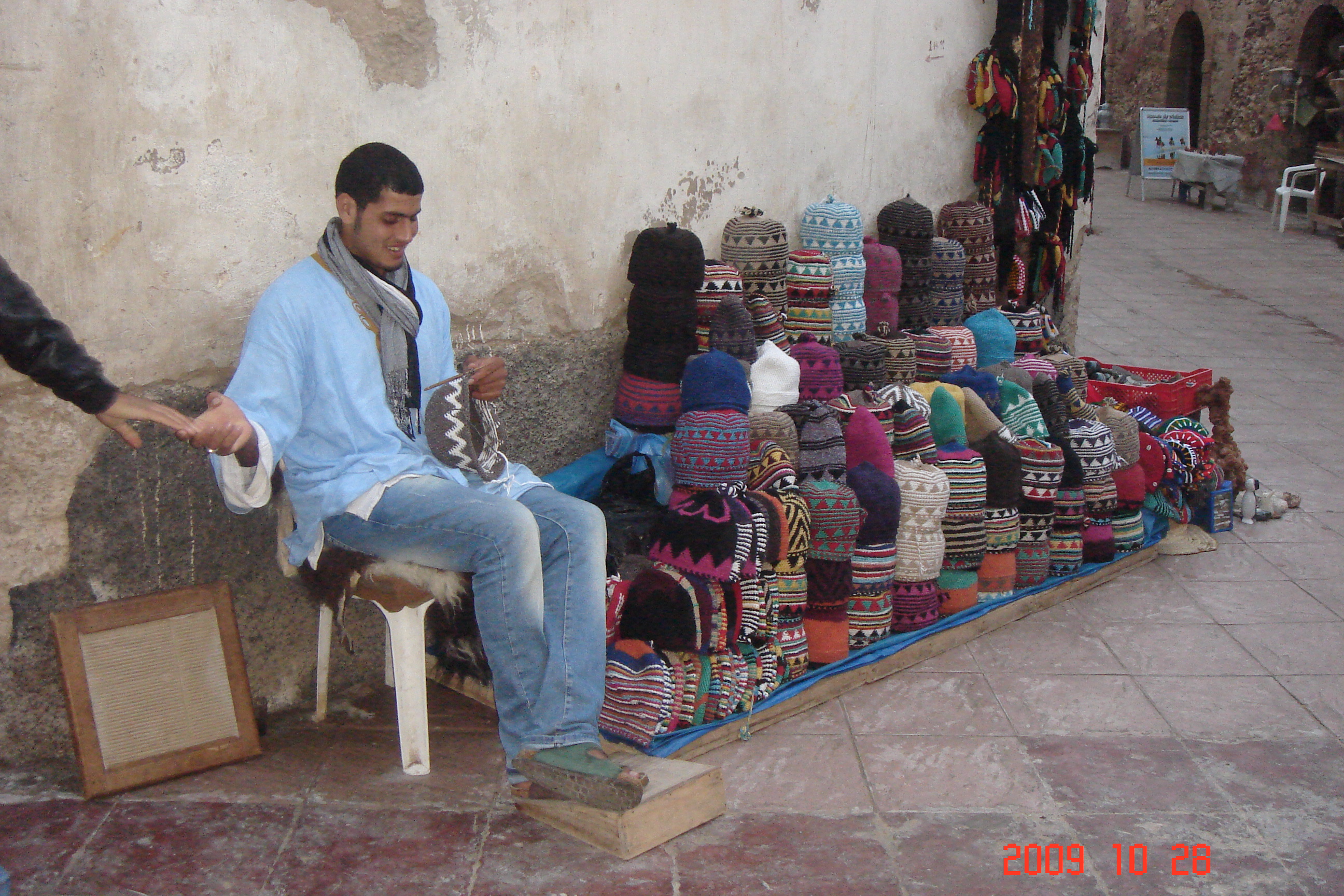
Mary Lynn Broe describes her poetry in "Introit":
"Descended from Judy Grahn's word-wyf Mixed and stirred with Yeats' Crazy Jane, I write heartbreak torch songs, full of Unabashed yearning. Also Celtic rants, Hard-palate swipes at academics' Primp and pomp. Brutal insouciance for graying boomers, my poems stuff Kong toys with lowdown elegiac strains, Alix Olsen's armpit hair, a few belts of Nina Simone, and Moral Attention. No one hearing my poetry Would ever mistake Improvisation For metric calisthenics."
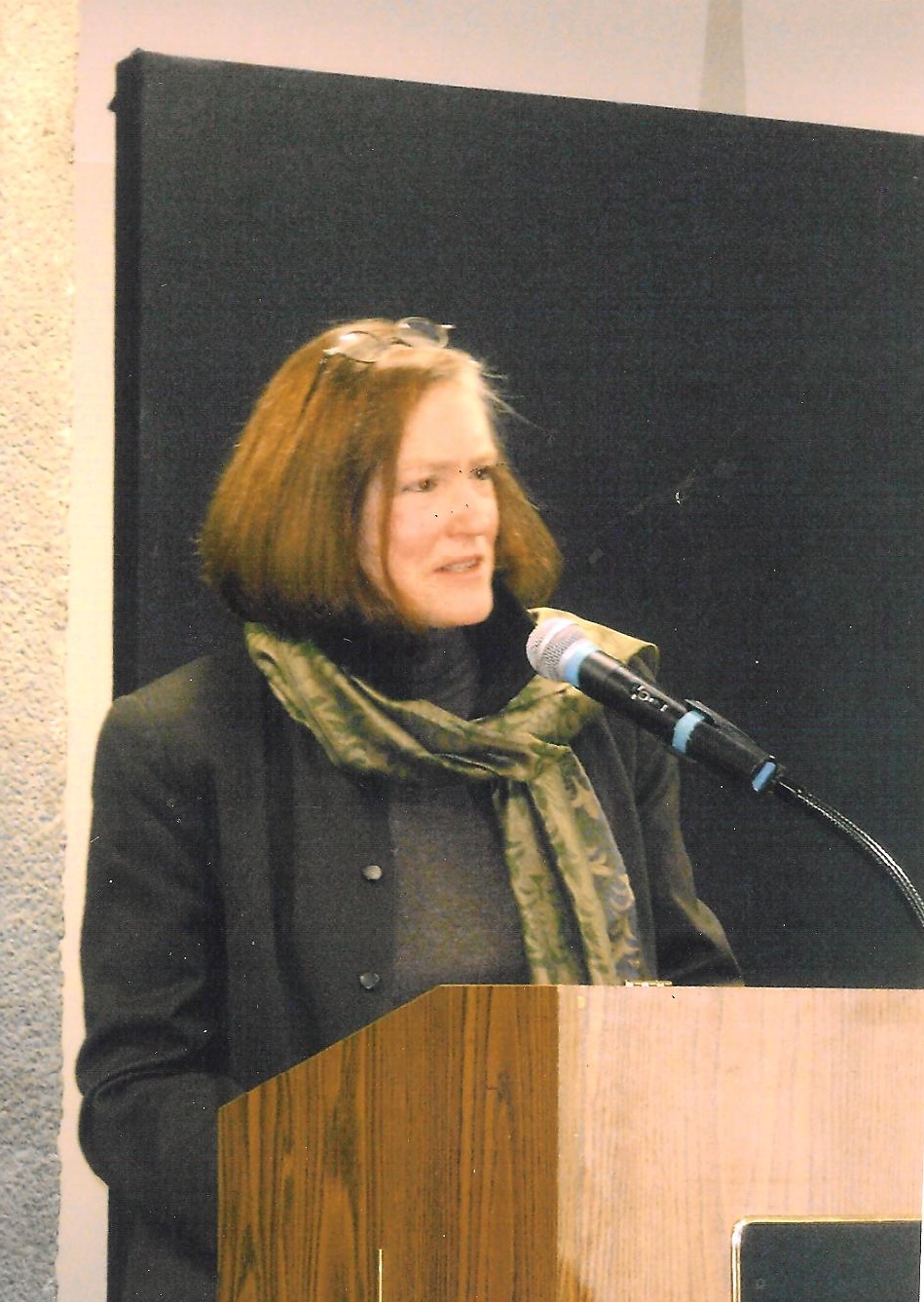


Mary Lynn Broe, Professor emerita, The Rochester Institute of Technology
e-mail: mlbgsl@rit.edu
Caroline Werner Gannett Project: www.cwgp.org